兔儿爷:中秋送祝福,一兔守团圆丨东方有礼
中 中国日报双语新闻约 2 分钟
中国日报双语新闻约 2 分钟') no-repeat center / contain;mask:url('data:image/svg+xml;utf8,') no-repeat center / contain}.discuss_failed_text[data-v-f5f1b3e0]{color:#fa5151;margin-right:8px}.discuss_failed_retry[data-v-f5f1b3e0]{color:#576b95;cursor:pointer}.discuss_failed_delete[data-v-f5f1b3e0]{color:#576b95;cursor:pointer;margin-left:8px}.discuss_voice_text_expand{background-color:var(--weui-BG-3)}.discuss_voice_text_expand:before{color:var(--cmtContent-FG);background-color:var(--weui-BG-3)}@media (prefers-color-scheme: dark){.stream_comment_dialog .discuss_voice_text_expand{background-color:#323232}.stream_comment_dialog .discuss_voice_text_expand:before{background-color:#323232}}
- 1
兔儿爷:中秋送祝福,一兔守团圆丨东方有礼
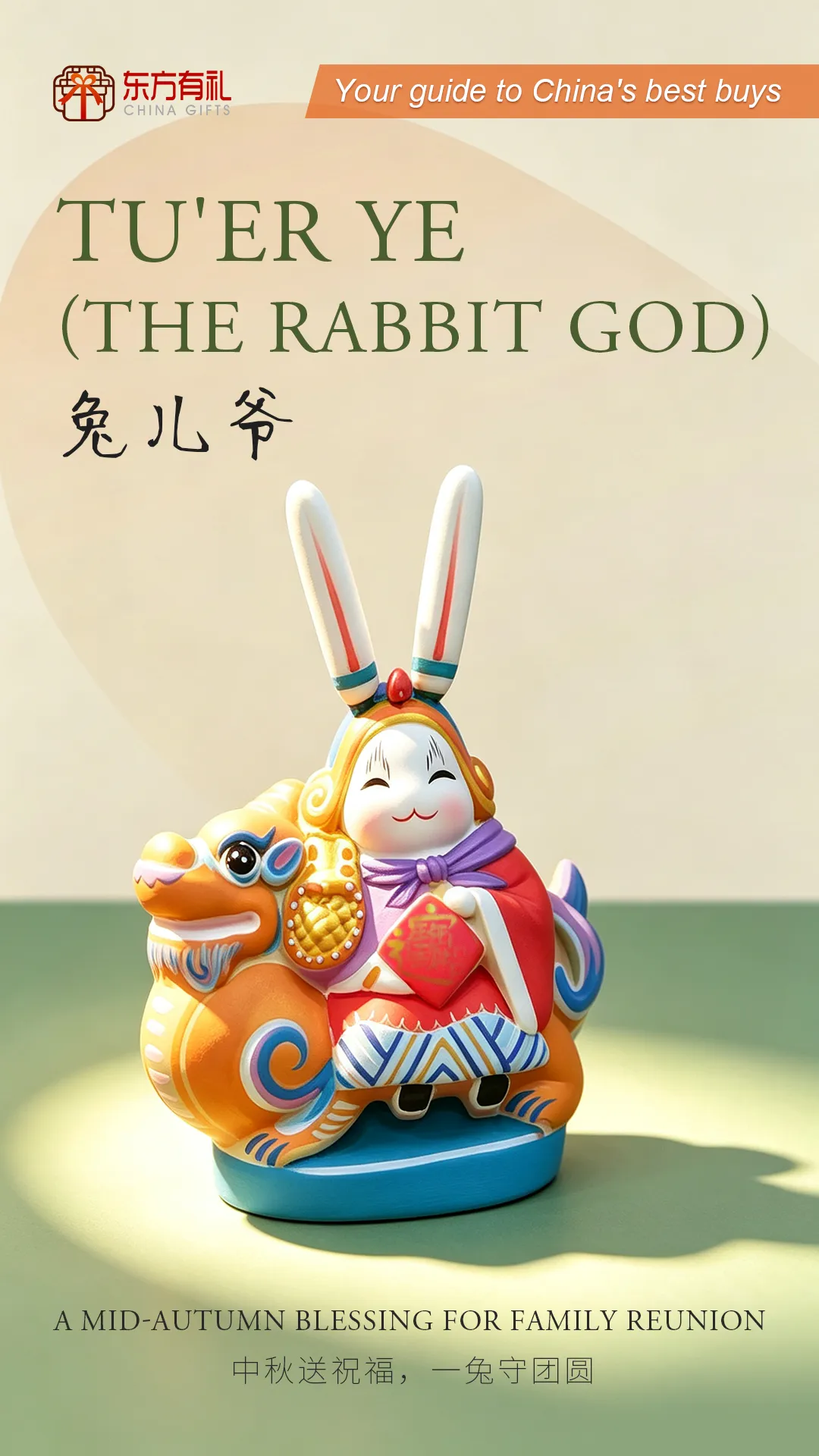
每逢中秋,北京的街头巷尾便多了兔儿爷的身影。红耳朵,三瓣嘴;金盔战袍,神气十足。手捧捣药杵,身骑小坐骑;或跨麒麟,或骑猛虎,造型百变,各有吉意。一尊小小的兔儿爷,添的是节日热闹,装的是团圆心意。
A beloved symbol of old Beijing, Tu'er Ye has long been part of Mid-Autumn Festival celebrations, symbolizing family reunion, peace and happiness. With its distinctive rabbit-headed, human-bodied form and colorful details, this traditional clay figure comes in a variety of playful designs.
从老北京的中秋习俗,到今天的非遗文化,兔儿爷承载的不只是团圆祝福,也是一份延续至今的文化记忆。
Small in size but rich in meaning, Tu'er Ye brings a festive touch to the holiday while carrying a cherished piece of Beijing's cultural memory. Now recognized as an item of China's intangible cultural heritage, it continues to charm people today.